3 Effective Upper Bicep Exercises
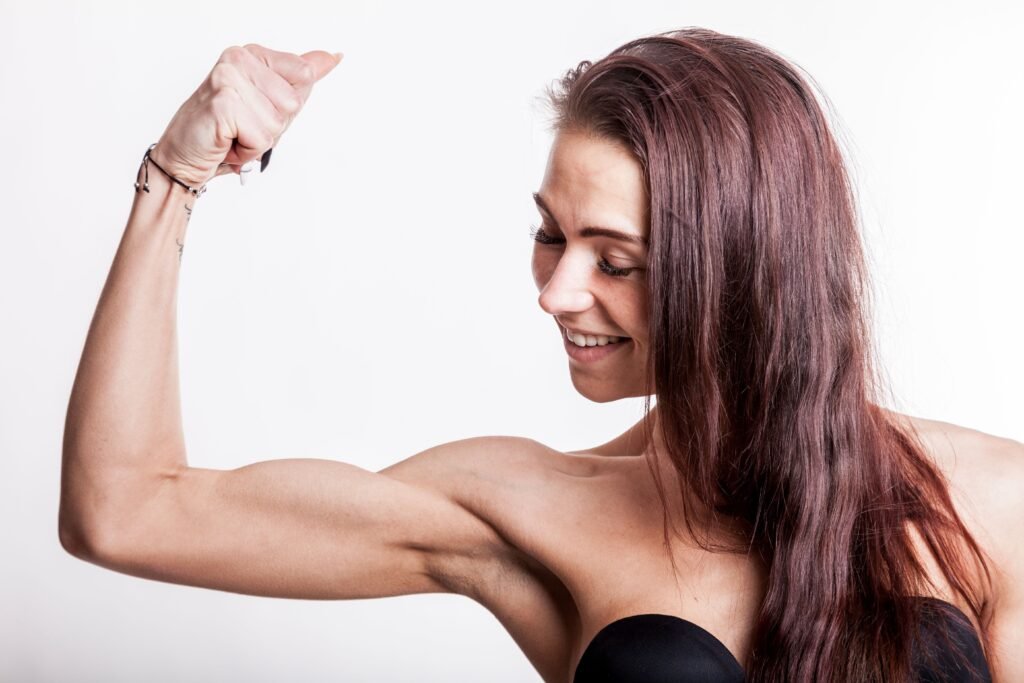
With beach season almost here, it’s time to show off all the hard work you’ve put into your arms and upper body. While it’s great to get a comprehensive workout that hits every part of your arms, sometimes you need a little extra help targeting specific areas like the upper bicep so you can achieve the look you want and get stronger. In this article, we’ll briefly review the anatomy of the upper bicep before recommending five targeted upper bicep exercises that will help you sculpt your upper biceps and have your arms turning heads this spring and summer. 1. Incline Dumbbell Curl The incline dumbbell curl is a great way to really zero in on the long head of your biceps. By performing curls on an incline bench, you specifically hit the upper part of the bicep, as opposed to standard curls that work the whole muscle. How to do it: 1. Set an incline bench to about 55 to 65 degrees, then sit back so your back is flat against it and you’re sitting up straight. 2. Hold a dumbbell in each hand and let your arms hang straight down by your sides. 3. Slowly curl the dumbbells upward until your biceps are fully contracted. 4. Lower the weight slowly to get a great burn, then repeat. Sets and reps: 3 sets of 15 reps per arm. Form tip: Keep your upper arms back and still against the bench. Letting your elbows drift forward takes the focus off the long head. 2. Hammer Curl Hammer curls work your biceps while also engaging the brachialis, the muscle inside the bicep that adds overall arm thickness when properly trained. The brachialis also helps stabilize the elbow flexor, so strengthening it can help with issues like tendinitis. How to do it: 1. Stand or sit holding a dumbbell in each hand with your palms facing each other. 2. Keeping your upper arms stationary, lift one dumbbell toward your shoulder with your wrist in line with your forearm. 3. Hold the weight at the top of the movement for about a second. 4. Lower it back down slowly, then alternate arms. Sets and reps: 3 sets of 15 reps per arm. Form tip: Keep your palms facing each other the whole time and avoid swinging. The neutral grip is what shifts the work onto your brachialis. 3. Concentration Curl Concentration curls bypass any wasted movement and really focus on your upper biceps. They also work your forearms and grip, which is always an added benefit. How to do it: 1. Sit on a bench with a dumbbell in one hand and your feet planted wide. 2. Place the back of your upper arm against the inside of your thigh and brace your core so your torso stays still. 3. Curl the weight up in a controlled manner, emphasizing the squeeze at the top. 4. Lower the weight slowly until your arm is straight, keeping your torso in the same position throughout. Sets and reps: 3 sets of 8 to 12 reps per arm. Form tip: Let your arm do all the work. If your torso starts to move or swing, drop to a lighter dumbbell.
The Best Trap Bar Exercises: 5 Powerful Workouts for Full-Body Strength
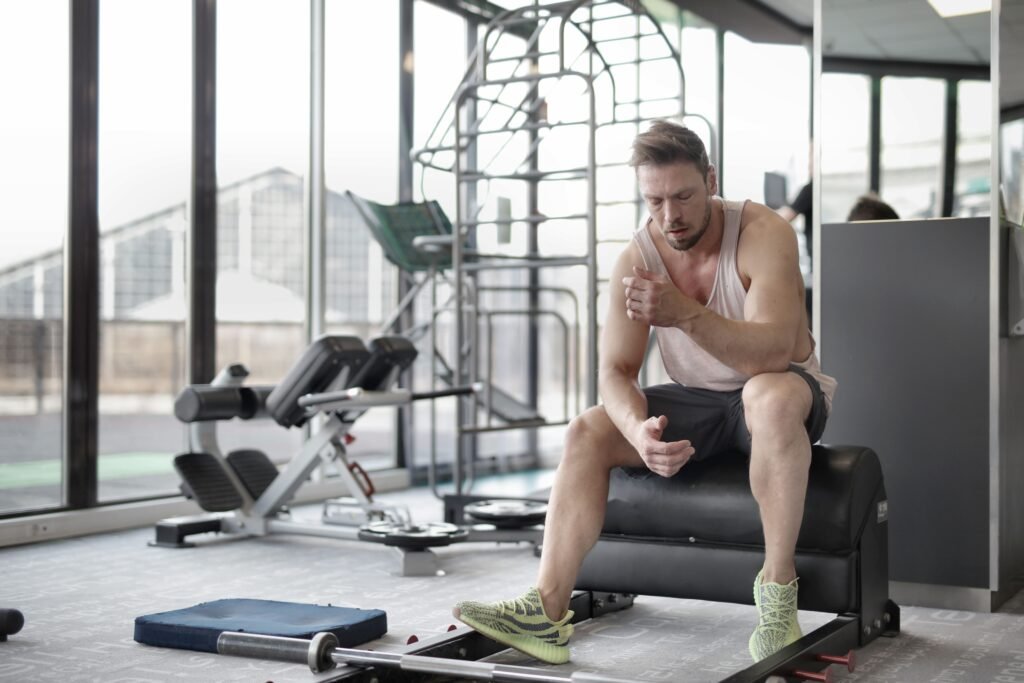
Looking for a simple way to train strength, power, and balance? The trap bar delivers. Also known as a hex bar, this tool is beginner-friendly and effective for lifters of all levels. Trap bar exercises let the body move in a more natural path, reducing joint stress while targeting major muscle groups. From deadlifts to carries, they build serious full-body strength. Research outlined in an article by Stronger by Science shows that trap bar deadlifts allow for higher velocity, greater power output, and are often safer and easier to learn than conventional barbell deadlifts. This guide breaks down the top 5 trap bar movements to add to any routine, whether the goal is to lift heavier, move better, or stay injury-free. 5 Best Trap Bar Excercises A trap bar workout doesn’t just build strength—it builds smarter strength. From squats to carries, it helps reduce joint strain while boosting performance. Whether training for muscle, power, or stability, these exercises get results across all fitness levels 1. Trap Bar Deadlift Step into the bar, stand tall with feet hip-width apart, and grip the handles firmly. Keep your chest up, back flat, and core engaged. The neutral grip keeps the load centered, which helps reduce strain on the lower back. Push through the floor and finish tall with glutes locked in. It’s one of the most effective lifts for building total-body strength while keeping form simple and safe. According to research published in BMC Sports Science, Medicine and Rehabilitation, recreationally active females who trained with trap bar deadlifts twice a week for eight weeks significantly improved lower-body strength, power, and lean mass. 2. Trap Bar Squat Stand inside the trap bar and grip the higher handles. Keep your chest up, back flat, and core engaged as you squat straight down. This squat variation allows for a more upright torso and less forward lean with a solid core engagement. A great way to train the legs without the added pressure of a back-loaded barbell. It’s ideal for beginners learning squat mechanics and lifters recovering from back strain. 3. Trap Bar Push-Up Grip the handles and lower into a push-up. Because the handles are slightly elevated, you can lower your chest deeper than in a standard push-up, which increases range of motion and muscle activation. The neutral grip puts less stress on the wrists and shoulders. Adding bumper plates increases the stability challenge, making this a great option for building control and upper-body strength. 4. Trap Bar Shrug Stand tall inside the trap bar with a heavy load. Grip the handles, brace your core, and let your arms hang naturally. Hold heavy, shrug your shoulders high, and pause briefly at the top. The trap bar makes it easier to go heavier than dumbbells while supporting better shoulder alignment. This move strengthens the upper traps and improves posture, especially for lifters looking to carry over benefits to deadlifts. 5. Trap Bar Suitcase Carry Pick up the bar on one side and walk forward with control. This creates an offset load that challenges the core to stay upright and resist leaning. It targets grip strength, core stability, and posture—one step at a time. Research from the National Strength and Conditioning Association suggests that loaded carries, such as the suitcase carry, enhance hip and trunk stability, contributing to improved muscular function and injury prevention.